

SCHOLARSHIP APPLICATION: (Deadline: APRIL 30th, 2027)
Please ensure all fields are filled in completely.To view previous winner: Click Here
(IF YOU HAVE ANY QUESTIONS, PLEASE EMAIL THE PROGRAM ADMINISTRATOR AT RYAN@STUDENTSCHOLARSHIPS.ORG)
Brake for Forklift
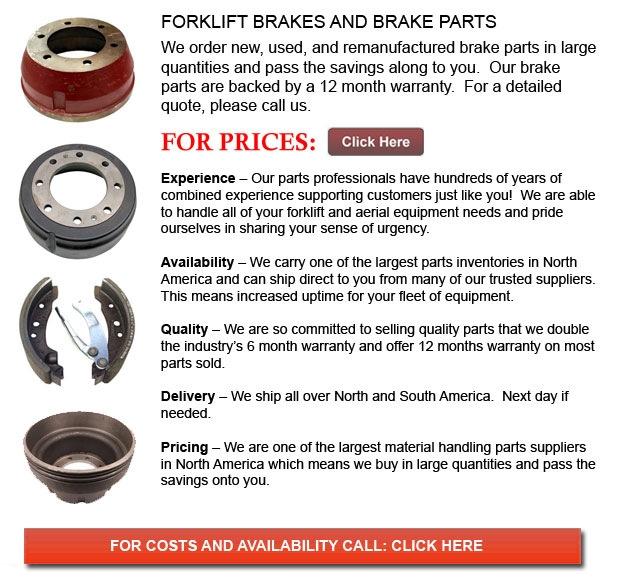

Forklift Brake - A brake wherein the friction is supplied by a set of brake pads or brake shoes that press against a rotating drum unit called a brake drum. There are a few specific differences between brake drum kinds. A "brake drum" is commonly the explanation given whenever shoes press on the inner surface of the drum. A "clasp brake" is the term used so as to describe when shoes press next to the outside of the drum. Another kind of brake, referred to as a "band brake" uses a flexible belt or band to wrap round the outside of the drum. Where the drum is pinched in between two shoes, it could be called a "pinch brake drum." Like a conventional disc brake, these types of brakes are quite rare.
Early brake drums, prior to the year 1995, needed to be constantly adjusted so as to compensate for wear of the shoe and drum. "Low pedal" can result if the required modifications are not done sufficiently. The vehicle can become dangerous and the brakes could become ineffective if low pedal is mixed along with brake fade.
There are several various Self-Adjusting systems meant for braking existing today. They could be classed into two individual categories, the RAI and RAD. RAI systems are built-in systems that help the device recover from overheating. The most popular RAI manufacturers are Bosch, AP, Bendix and Lucas. The most well-known RAD systems comprise AP, Bendix, Ford recovery systems and Volkswagen, VAG.
The self adjusting brake would usually only engage if the forklift is reversing into a stop. This method of stopping is suitable for use whereby all wheels utilize brake drums. Disc brakes are utilized on the front wheels of motor vehicles nowadays. By operating only in reverse it is less possible that the brakes will be adjusted while hot and the brake drums are expanded. If adjusted while hot, "dragging brakes" could take place, which raises fuel consumption and accelerates wear. A ratchet device which becomes engaged as the hand brake is set is one more way the self repositioning brakes could function. This means is only appropriate in functions where rear brake drums are utilized. When the emergency or parking brake actuator lever goes over a particular amount of travel, the ratchet advances an adjuster screw and the brake shoes move toward the drum.
There is a manual adjustment knob placed at the base of the drum. It is typically adjusted through a hole on the opposite side of the wheel and this involves going beneath the lift truck utilizing a flathead screwdriver. It is of utmost significance to move the click wheel correctly and adjust every wheel equally. If uneven adjustment occurs, the vehicle may pull to one side during heavy braking. The most effective way to be able to guarantee this tedious task is completed safely is to either raise each and every wheel off the ground and hand spin it while measuring how much force it takes and feeling if the shoes are dragging, or give everyeach and every one the exact amount of manual clicks and then perform a road test.
Click to Download the PDF
Forklift Parts


TOLL FREE: 1-888-695-7994
forkliftpartswestvirginia.com
Email Us
About Us